

Trading on the Nigerian Exchange Limited (NGX), the operating exchange of Nigerian Exchange Group Plc, closed on December 31, 2025, with Nigeria's capital market ranking as the strongest performing globally.
The record rally capped a year in which improving macroeconomic conditions and sustained market reforms combined to boost valuations, liquidity and investor participation.
By the end of the year, the NGX All-Share Index rose 51.19 percent to 155,613 points, up from 102,926 at the start of 2025. Total equity market capitalization increased by more than N36.6 trillion, reaching N99.38 trillion, one of the largest absolute increases recorded in global equity markets during the year.
The 2025 surge is a critical moment for Nigeria's capital markets, but maintaining that momentum will depend on continued macroeconomic discipline, policy stability and the depth of reforms that strengthen investor confidence.
Nigeria's performance compared favorably to major developed and emerging markets, where equity index returns have generally been below 25 percent.
The MSCI All Country World Index gained nearly 20 percent, underscoring the scale of Nigeria's outperformance and the renewed attention from global investors.
Also read: NGX reveals results of full-year review of market indices
Macroeconomic stabilization and market reforms…
The rally reflected a confluence of macroeconomic stabilization and deliberate capital market reforms. Nigeria's economy grew by 3.13 percent, 4.23 percent and 3.98 percent in the first three quarters of 2025, while headline inflation slowed sharply to 14.45 percent in November from 34.60 percent a year earlier. The Naira also strengthened marginally and closed at N1,448.03 against the dollar compared to N1,538 at the beginning of the year.
Against this backdrop, NGX Group has intensified engagement with policymakers, regulators, issuers, market operators and investors to ensure that the macroeconomic recovery translates into deeper market penetration, better valuations and broader participation.
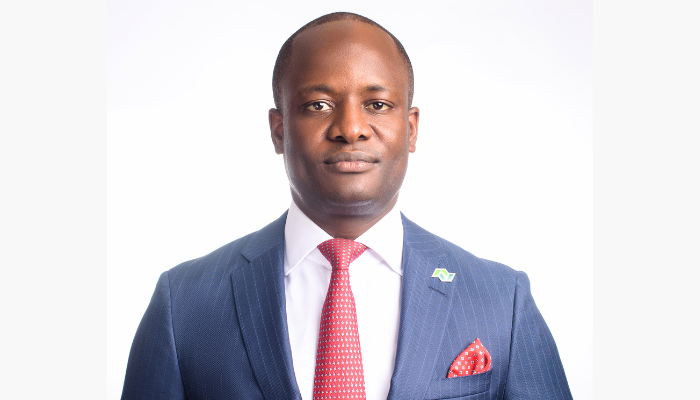
“The Nigerian capital market demonstrated resilience despite domestic and global economic headwinds in 2025,” said Temi Popula, Group Managing Director and CEO of NGX Group. “This performance highlights the importance of policy stability, purposeful reforms and strategic cooperation in strengthening investor confidence and sustaining market growth.”
He said continued investment in technology and market infrastructure helped expand access, increase transparency and improve operational efficiency across the market.
Broad-based growth across asset classes…
The market expansion was broad based. As of 31 December 2025, the equity market capitalization stood at N99.38 trillion ($68.74 billion), while the fixed income market reached N51.48trillion ($35.61 billion).
Exchange-traded funds recorded particularly strong growth, with their market capitalization rising to N45.55 billion, reflecting rising product adoption and investor sophistication.
Business activities also strengthened. Year-to-date equity turnover increased to N5.96 trillion, while the average daily traded value increased to N23.76 billion, supported by price appreciation, solid corporate earnings, banking sector recapitalization, new listings and ongoing reforms in the market structure.
Beyond secondary market performance, capital formation remained central to NGX's mandate. During the year, the exchange facilitated N6.49 trillion in capital mobilization by government and corporate issuers through equity and fixed income instruments, supporting infrastructure financing, business expansion and financial stability.
Outlook…
Looking ahead, NGX Group says it will prioritize deeper collaboration with regulators, issuers, market operators and policymakers while continuing to invest in technology to maintain momentum and broaden market access.
“We are optimistic about the opportunities ahead and remain committed to positioning Nigeria’s capital markets as a key driver of economic growth and wealth creation,” Popola said. He said the group aims to strengthen its role as Africa's preferred exchange hub.
