
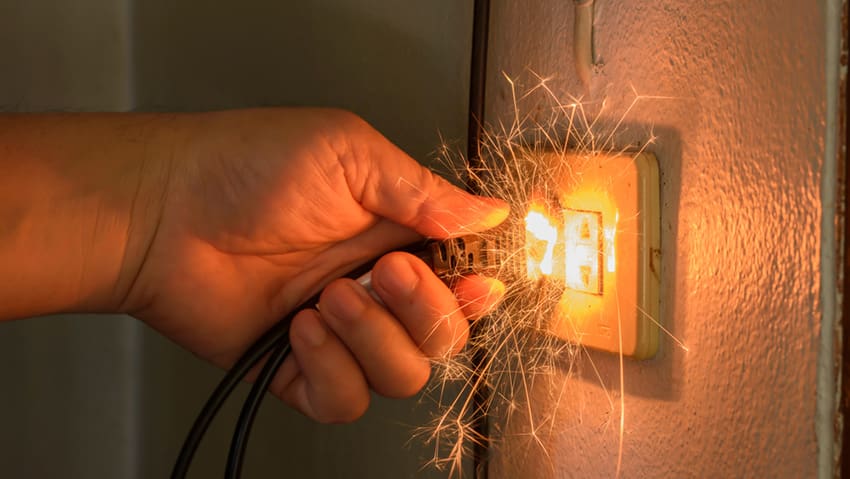
Home electrical problems are more common than many homeowners realize. Flickering lights, tripped breakers, and outlets that don't function properly are often viewed as minor annoyances.
However, putting off repairs can lead to serious safety hazards, costly damage and unexpected expenses. This article explores the most common electrical problems, the risks of delaying repairs, and practical steps to protect your home.
Common Household Electrical Problems
Many home electrical problems start small but can escalate if ignored. Recognizing the signs early helps prevent damage and keep your family safe.
Flickering lights and frequent breaker trips
Flickering lights or breakers that frequently trip are more than inconvenient. They indicate underlying problems. Overloaded circuits, faulty light switches, or worn-out wiring are common causes. If ignored, these issues can reduce energy efficiency, damage appliances, and even increase the risk of fire.
Faulty wiring in old homes
Older homes often have wiring systems that no longer meet modern electrical demands. Signs of old wiring include discolored outlets, humming noises, or frequent tripping of breakers. Faulty or old wiring can cause short circuits, electric shock or fire, making timely repairs necessary for safety. If you see these warning signs and aren't sure how to address them, contacting a professional electrician can help identify hidden issues and ensure that the repair is done safely.
Overloaded circuits and misuse of extension cords
Running multiple appliances on the same circuit or relying on extension cords can put a strain on your electrical system. Overloaded circuits can cause breakers to trip, create hot spots in the wiring and increase the risk of short circuits. Extension cords used as a permanent solution increase the risk of fire. Homeowners should limit circuit load and minimize extension cord use.
Problems with electrical panels and fuse boxes
The electrical panel and fuse box control the flow of electricity throughout the house. Signs of trouble include frequent breaker trips, a burning smell, or rust and corrosion around the panel. Ground fault circuit interrupters (GFCIs) can prevent shock in areas near water, but older panels may not support them. Quick attention prevents small panel issues from becoming dangerous problems.
Hidden Dangers of Ignoring Electrical Problems
Delay in repair can turn small inconveniences into big dangers. Understanding the risks helps homeowners take action before serious damage occurs.
Fire hazards and electrical fires
Faulty wiring, overloaded circuits and damaged outlets are common causes of home electrical fires. Even small sparks or extremely hot wires can burn nearby materials. Electrical fires can spread rapidly, destroying property and posing a threat to life. It is important to recognize warning signs such as scorch marks, unusual odors or buzzing sounds.
Risk of electric shock and ground fault
Electric shock can be caused by exposed wires, damaged outlets, or faulty switches. Ground faults occur when electricity flows outside its intended path, often through water or moist areas, creating serious safety hazards. Properly maintained outlets, GFCIs, and prompt repair of any damage reduce the likelihood of shock incidents.
Expensive loss due to power surge
A power surge can be caused by lightning, faulty wiring, or sudden changes in electrical load. These surges can damage appliances, electronics, and even sensitive home systems. Over time, ignoring surge protection can lead to frequent repairs or replacement of expensive appliances, increasing household costs.
When to Call a Licensed Electrician
Some electrical problems require professional expertise. Knowing when to call a licensed electrician can prevent accidents and large repair bills.
- Frequent breaker trips, flickering lights, or burning smell.
- Signs of damaged or old wiring, especially in older homes.
- Touching an outlet or switch can result in electric shock.
A licensed electrician can perform a thorough electrical inspection, identify hidden problems and recommend upgrades. Selecting a qualified professional ensures that the work meets safety standards and protects your home and family.
Preventive Measures for Home Electrical Safety
Taking preventive steps reduces the risk of accidents and keeps your system running efficiently.
- Schedule regular inspections for older homes or when you notice recurring problems.
- Update old wiring, fuse boxes or panels to handle modern electrical loads.
- Limit extension cord use and avoid overloading outlets.
- Install surge protectors and GFCIs in kitchens, bathrooms and other high-risk areas.
Implementing these measures helps maintain a safe home environment and prevent costly repairs in the future.
conclusion
Delaying repair of home electrical problems can result in serious hazards including fire, shock and damaged equipment. Recognizing warning signs and addressing problems quickly keeps your home safe and can avoid costly repairs. Regular inspections, timely updates, and professional guidance from a licensed electrician ensures that your electrical system functions reliably and protects both your family and your property.