
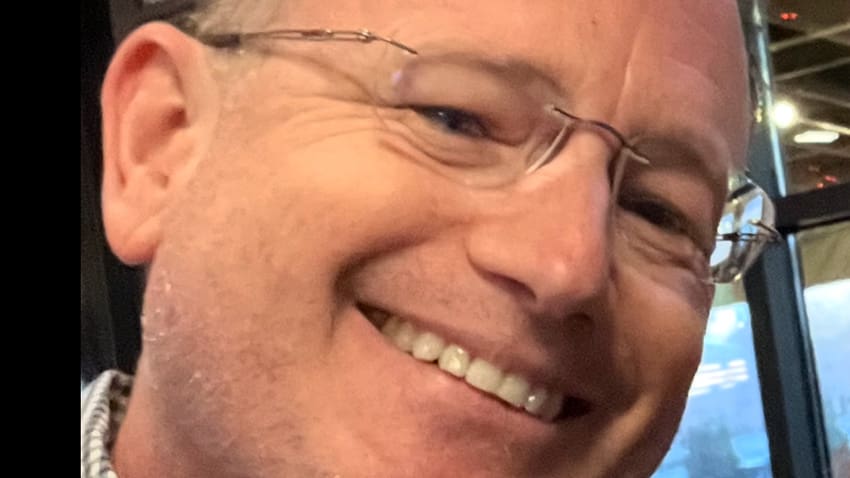
Terrence “Terry” Cushing is an experienced attorney with nearly two decades of work in litigation and corporate law.
He currently serves as senior corporate counsel at Republic Services, a Fortune 300 company dealing in environmental services, recycling and waste management. His career reflects steady progress, wide-ranging expertise and a pragmatic leadership style.
Born in Schenectady, New York, and raised in Exton, Pennsylvania, Terry grew up in a household that valued discipline and learning. His father worked as a chemical engineer before going into environmental consulting, an influence that later shaped Terry's interest in regulated industries. Sports also played an important role in his early life. He played soccer and later joined a ski club, experiences that taught him focus, flexibility and balance.
Terry earned a degree in International Affairs from George Washington University in 1996. He later completed his law degree from Pennsylvania State University in 2003 and passed the Arizona Bar the same year. He is also licensed to practice law in Nevada and Texas.
He began his career as a federal law clerk to Judge Earl H. Carroll in the U.S. District Court for the District of Arizona. From there, he built a strong litigation practice handling product liability, commercial disputes, medical malpractice and personal injury cases at leading law firms. He became a partner at Jennings Strauss in 2011 and later spent more than eleven years as a partner at Quinteros, Prieto, Wood & Bauer.
Today, Terry applies his litigation background to corporate strategy, risk management and compliance. He is known for his clear judgment, steady leadership and long-term approach to legal decision making.
An Interview with Terence Cushing
Question: Let's start from the beginning. What first attracted you to law?
I was interested in how the system worked. I studied international affairs, so I was always focused on rules, powers, and decision making. Law seemed like a practical way to implement that thinking.
Q: How did your early life shape your career outlook?
Sports had a big influence. Soccer and skiing taught me discipline and focus. Skiing especially taught me how to stay calm when conditions change. That mentality has helped me throughout my career.
Q: Your first role was a federal clerkship. What did he teach you?
Clerking for Judge Earl H. Carroll taught me precision. Every word matters. You also learn to look at cases from the court's perspective, which changes your thinking as a lawyer.
Q: You spent many years in private practice. What is characteristic of that period?
Diversity. I worked on product liability, medical malpractice, commercial litigation and more. Each case requires learning new technical details. Which keeps you sharp.
Q: You became a partner relatively early. What changed in that phase?
Your responsibility increases. You are not just handling matters. You are managing people, customer relationships and strategy. Leadership becomes part of the job.
Q: You later spent more than a decade at Quinteros, Prieto, Wood & Boyer. What did that experience give you?
It taught me scale. I built a large client base and managed teams of associates and paralegals. This required consistency and trust.
Q: Why did you decide to stay home?
I wanted to focus on prevention rather than reaction. In a corporate role, you help make decisions quickly rather than moving forward after problems arise.
Q: How does your litigation background help you as a corporate lawyer?
I understand where things can go wrong. This helps me ask better questions and spot risks earlier.
Q: What is the biggest change you have seen in the legal industry?
Complexity. The rules and expectations keep increasing. Clear communication is more important than ever.
Q: How do you maintain balance outside of work?
Weight lifting helps. It reminds me that progress comes from sustained effort, not shortcuts.
Q: What guides your leadership style today?
Clarity, preparation and respect for people's time. Good decisions come from good habits.