
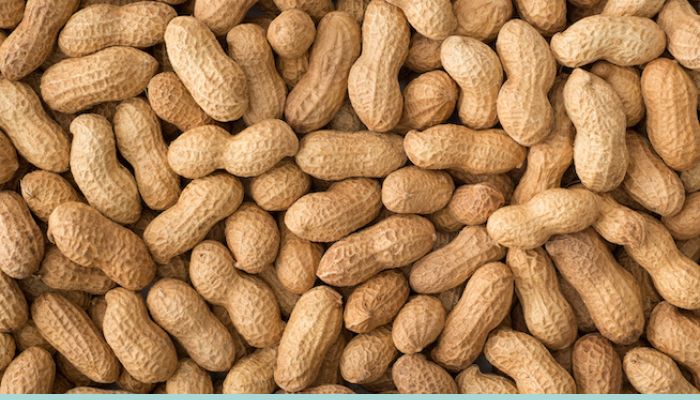
Peanuts belong to the legume family. They are generally grown in Northern Nigeria, from where they are transported to other states across the country.
These nuts, which can be turned into peanut butter and oil, are rich in vitamins like niacin (B3), folic acid (B9) and vitamin E. They are also rich in antioxidants that protect cells from internal damage.
Therefore, adding peanuts to your diet can lead to significant improvements in health.
Peanuts are not only a healthy snack, but their pods can produce dozens of pods per plant, each containing 2-4 seeds.
Also read: Lack of food storage in Nigeria increases farmers' problems
In its usual style, BusinessDay explores some of the health benefits of peanuts and why they should be included in your diet this year.
Supports healthy pregnancy
Peanuts are a good source of folate (folic acid). Adequate folate intake is important during pregnancy to prevent neural tube defects and aid in the healthy development of the fetus.
Increases energy levels
Peanuts contain a balanced mix of protein, fat and fiber. They provide continuous energy release. They're a perfect snack for anyone needing a boost during a long workday without the 'sugar crash' associated with processed snacks.
skin and hair health
The vitamin E and zinc found in peanuts contribute to healthy, glowing skin by protecting against oxidative stress. Additionally, the biotin content is known to strengthen hair and prevent hair loss.
If you want to shine this year then you should definitely consume more peanuts.
Gallstone Prevention
Several studies show that regular consumption of peanuts or peanut butter may reduce the risk of developing gallstones in both men and women, primarily due to their cholesterol-lowering effects.
Brain Health and Cognitive Function
Peanuts are a great source of niacin (vitamin B3) and vitamin E. These nutrients are associated with a reduced risk of age-related cognitive decline and may help protect against conditions such as Alzheimer's disease, which is most common in older people.
Rich in powerful antioxidants
They contain significant amounts of resveratrol – the same antioxidant found in red grapes, and p-coumaric acid, an anti-cancer vitamin. These compounds help neutralize harmful free radicals in the body, protect cells from damage, and reduce inflammation.
Also read: FG launches massive housing-agri estate to boost food supply, rural jobs
blood sugar regulation
Peanuts have a low glycemic index, which means they cause a slow, steady rise in blood sugar rather than a sharp rise. They also contain magnesium, which improves insulin sensitivity, making them a good snack for managing or preventing type 2 diabetes.
weight management
Despite being rich in calories, peanuts are highly satiating due to their combination of protein and fiber. Eating these in small amounts can increase satiety, which may reduce the desire to overeat throughout the day.
high quality plant protein
Peanuts are an excellent source of plant-based protein, which is essential for muscle repair, tissue growth and immune function. This makes them an important dietary component for vegetarians and those reducing meat consumption.
support of heart
Peanuts are rich in monounsaturated and polyunsaturated fats, especially oleic acid. These fats help reduce low-density lipoprotein cholesterol levels while increasing high-density lipoprotein cholesterol, which reduces the risk of coronary heart disease and stroke.
