
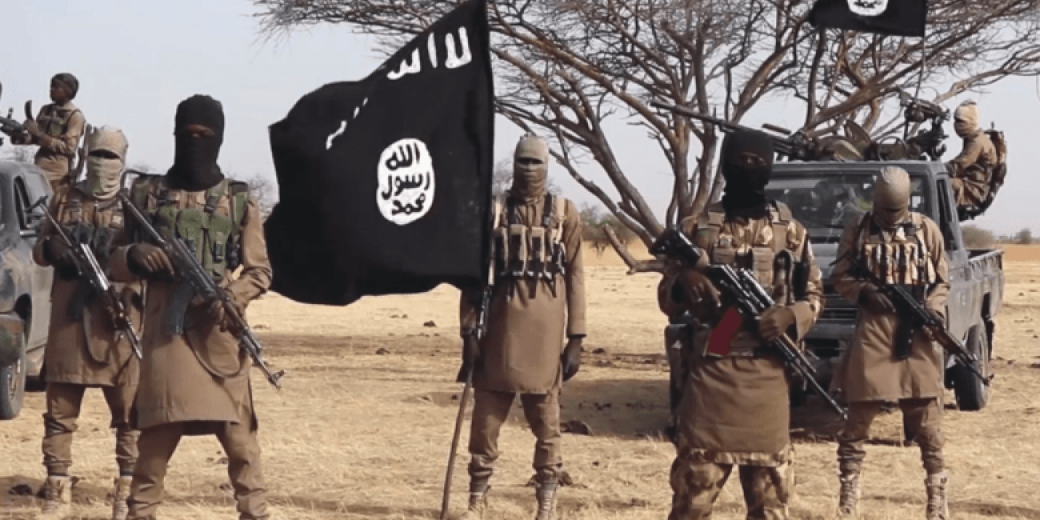
When US warplanes attacked suspected terrorist hideouts in Sokoto State on Christmas Day, December 25, 2025, the federal government hailed the intervention as a boost to Nigeria's counter-terrorism campaign. Officials said the attacks were government-approved and aimed at weakening jihadist networks.
Yet, in less than four weeks, the north and north-central regions of Nigeria have seen a staggering increase in violence, suggesting that the airstrikes have inadvertently increased insecurity rather than curbing it. From Kaduna and Zamfara to Niger, Sokoto, Borno and Plateau, armed groups have launched coordinated attacks that have left scores dead, hundreds kidnapped and communities terrorized.
Sokoto Strike: Catalyst or Enigma?
On December 25, US forces conducted rare airstrikes targeting Islamic State-affiliated cells in Sokoto, the first state outside the traditional Boko Haram theater of operations. Washington described the operation as a decisive blow to jihadist networks operating in the Sahel-Nigeria corridor. Yet official details – including the number of militants killed, civilian casualties and regional impact – remain scarce.
Violence increased within 24 hours. In a wave of retaliation, villages were raided, markets were attacked and houses were set on fire. Security analysts warn that the attacks have created a power vacuum, which has been exploited by armed groups including bandits, Boko Haram, ISWAP and the emerging Lakurawa to expand operations and increase ransom revenues.
Kaduna: ground zero of post-strike violence
Kaduna has become a flashpoint. On January 18, armed gangs attacked three churches during worship and abducted 177 congregants. A few days later, a Boko Haram suicide bomber killed five soldiers and wounded several more in the Timbuktu Triangle of Borno State. Security insiders say such attacks reflect a troubling adaptation of the rebels: When one group weakens, another fills its place.
Also read: Village head says bandits kidnapped Karuna worshipers through forest in March 177
Boko Haram, ISWAP, and the rise of Lakurawa
In the north-east, Boko Haram and ISWAP have maintained operational capabilities. Military and civilian targets remain at risk, reflecting the resilience of these insurgent networks. Meanwhile, the northwest faces a new challenge: the Lakurawa, a hybrid armed group that blends ideology with criminality.
Unlike traditional bandits motivated only by ransom, the Lakurawa “tax” communities, recruit youth and claim territorial control. Security officials have warned that if unchecked, the group could link Sahelian jihadist networks to Nigeria's criminal economy, creating a new theater of insurgency.
A multi-front security crisis
Nigeria's current insecurity is no longer limited to Boko Haram or banditry. Analysts describe it as a multi-layered conflict:
Terrorist: Ideologically driven networks like Boko Haram and ISWAP.
Dacoit: Criminal gangs operating for ransom, arms smuggling and regional influence.
Hybrid group: Emerging actors, such as Lakurawa, are linking ideology with organized crime.
This fragmentation has given rise to “war without a frontline”. Military action against one group often strengthens the other group. “We are fighting the shadows,” admitted one senior officer. “Hit one camp, and three new groups spring up elsewhere.”
Kidnapping as an industry
Kidnapping has become industrialized. Bandits operate like corporations: intelligence units identify targets, strike teams execute kidnappings, negotiators handle ransoms, and logistics networks transport victims. Ransom payments finance weapons, recruit fighters and sustain criminal economies, making Nigeria one of the world's major kidnapping hubs.
Also read: At least 8 Nigerian soldiers killed in Boko Haram attack in Borno
Numbers: December 25-January 21
According to Vanguard, on December 26, a day after the US airstrikes, armed militias attacked Bokkos/Barking Ladies in Plateau State and killed 16 people.
On the same day, bandits attacked rural communities in Nigeria state, killing people and abducting 12 people.
On 27 December, bandits attacked communities in Anka LGA, killing five and abducting 20.
28th December: Three killed and 15 abducted by bandits I Giwa LGA of Kaduna State
29 December: Boko Haram/ISWAP terrorists have killed four people in Gwoza, Borno State.
30th December: Bandits have killed two people and abducted 10 others in Faskari LGA, Katsina.
31 December: Lakurawa terrorists kill six people in Tangaza LGA of Sokoto State
1 January: Bandits attack a market village in Niger state, killing 30 and abducting 15
2 january:One died and eight were abducted by bandits in Chukun LGA, Kaduna State.
3 january: Bandits kill seven people in Maru LGA of Zamfara State.
4th January: Bandits attack a village in Niger state, killing 30 and abducting about 40
5 January: Boko Haram killed three people in Maiduguri, Borno State.
6th January: Bandits have attacked rural communities in Kaduna, killing two and abducting 24 others.
7 January: Bandits have killed four people and abducted nine in Kankara LGA of Katsina State.
8 January: Six people lose their lives in attack by bandits in Tsef LGA of Zamfara State
9 January: Lakurawa attacks killed 10 people in Gwadabawa LGA, Sokoto State.
10th January: Five people have been killed and 18 abducted by bandits in Shiroro LGA of Niger State.
11 January: Bandits have killed three people and abducted 12 others in Birnin Gwari, Kaduna State.
12 January: Six people killed in ISWAP attack in Marte LGA of Borno State.
13 January: Bandits have killed two and abducted seven in Danmusa LGA, Katsina State.
14 January: Armed militia killed nine people in Mangu LGA, Plateau State.
15 January: Bandits kill two and abduct six in Kagarko LGA of Kaduna State
17th and 18th January: Bandits have attacked three churches in Kajuru LGA, Kaduna State and abducted 177 worshippers. In the subsequent raid, three people were killed and 10 were kidnapped.
19 January: Bandits attack a community in Rafi LGA, Niger State, killing four and abducting nine
21 January: A Boko Haram suicide bomber has attacked a military convoy in the Timbuktu Triangle of Borno state, killing five soldiers and wounding several others.
built-in driver
Beyond military action, structural issues – including weak rural governance, unemployment, poverty, ethnic/religious tensions, porous borders, arms proliferation, corruption and poor coordination – continue to fuel violence. Analysts warn that without addressing these root causes, military gains will remain temporary, and Nigeria risks becoming trapped in a decentralized, protracted conflict.
way forward
Experts are divided on foreign interference. While some argue that the US strikes are necessary to stop international jihadist expansion, others warn that they risk making Nigeria a new battlefield in global counterterrorism efforts. The federal government now faces the dual challenge of converting tactical victory into strategic stability and dealing with a security crisis more widespread, industrial, and deadly than at any time in recent history.
