
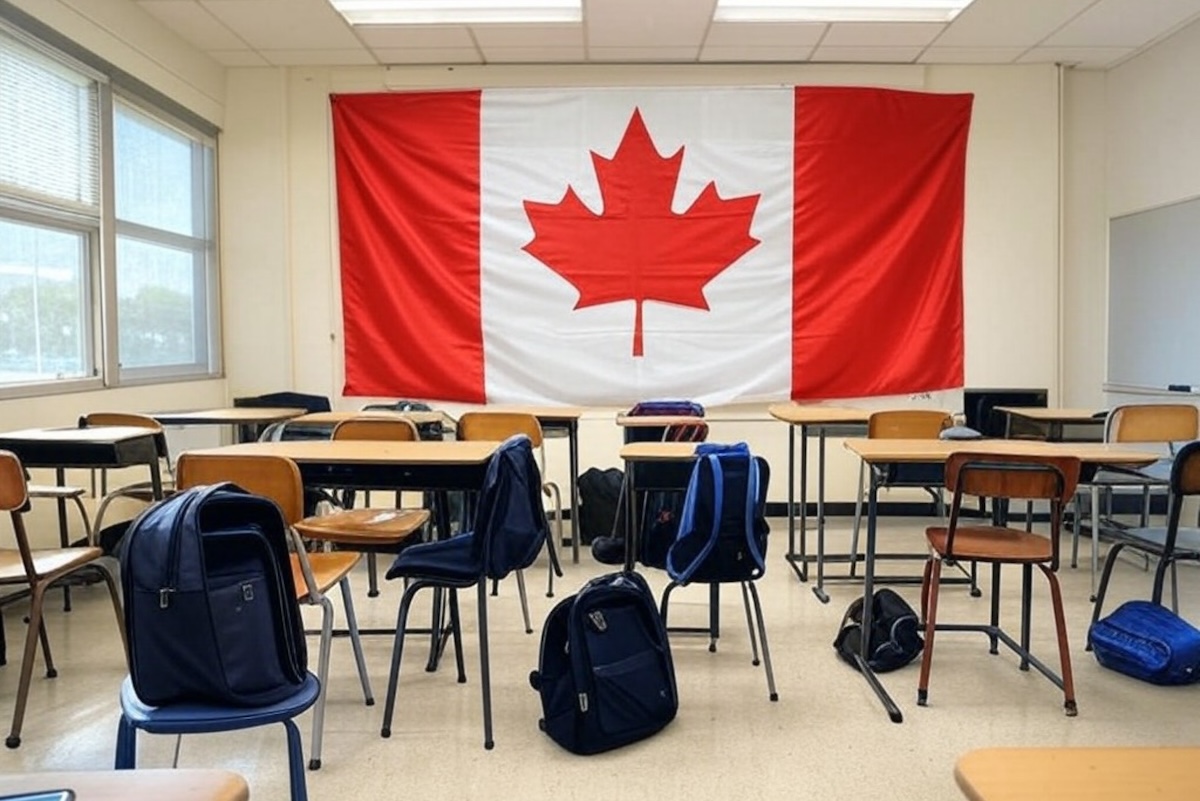
New data shows there has been a sharp decline in the number of international students coming to Canada, with figures falling by 97 per cent over a two-year period.
According to the latest data from Immigration, Refugees and Citizenship Canada (IRCC), only 2,485 new study permit holders entered the country in November 2025.
This is in sharp contrast to December 2023, when student arrivals reached 95,320.
Also Read: PGWP moratorium brings certainty to international students in Canada
That year, Nigeria became the fastest-growing source of international students to Canada, with the number of study permits issued increasing by more than 133 percent to a record 37,630.
This followed a rapid upward trajectory from 2019, when only 3,000 permits were granted, to 2022, when the figure quadrupled.
By the end of 2023, Nigeria had cemented its position as the fourth largest source country for international students in Canada, with approximately 53,000 active permit holders living in the country.
However, the situation changed suddenly in 2024 and 2025 as new federal restrictions went into effect. By the end of 2024, the number of permits issued to Nigerian students had already dropped by nearly 30 percent to about 26,500.
This decline is set to deepen by 2025 as approval rates decline; While about 40 per cent of Nigerian applicants were successful in early 2023, the overall approval rate for new study permits in Canada dropped to just 33 per cent by mid-2025.
The slowdown marks a significant shift in Canadian immigration policy as the federal government moves to aggressively cut temporary residence numbers. Between January and November 2025, total arrivals declined by 52 percent compared to the previous year, a net decrease of about 335,000 students.
Also read: Canada's plan to end open work permits raises new concerns for Nigerian immigrants
a deliberate policy change
IRCC defended the sharp decline, calling it a necessary step. In a statement to the press, the department said the figures were a “clear indication” that government interventions are achieving their intended goals.
“Canada is regaining control of its immigration system to restore balance and stability while maintaining its humanitarian commitments,” the IRCC said.
The decline is the result of a series of stringent measures introduced by the Liberal government:
Stricter permit limits: The 2025 federal budget promises to cut international student permits in half. This trajectory is set to continue, with a target of 155,000 in 2026 and a reduction to 150,000 by 2027.
Financial Barriers: The minimum financial requirement for applicants has more than doubled, from $10,000 to more than $20,600 to ensure students can support themselves.
Prevention of Fraud: Mandatory verification of acceptance letters was introduced to combat study permit fraud.
Labor Restrictions: Off-campus work hours limited to 24 hours per week.
The 2025 Sector Survey shows that Canada has experienced the sharpest decline in international enrollments globally, with undergraduate and graduate programs declining by 36 per cent and 35 per cent, respectively. As a result, 60 per cent of Canada's universities are now preparing for significant budget cuts, while half expect to see reduced staffing levels by 2026.
global change in education
As Canada tightens its borders, prospective students appear to be looking elsewhere. Rival markets in Europe and Asia have reported similar growth in enrolments.
Despite the restrictive environment, the desire to study in Canada remains high among applicants. A survey conducted by ApplyBoard in early 2025 found that 94 percent of prospective international students still expressed interest in the country, suggesting that while the “Canadian dream” persists, the administrative and financial barriers are becoming insurmountable for many.
