
asia-pacificfiThe Economic and Social Commission for Asia and the Pacific (ESCAP) said the Sea is expected to miss 88% of its Sustainable Development Goals (SDGs) by 2030, putting the region at risk of severe environmental degradation.
“This report exposes a grim reality. The same engines of growth that once lifted millions out of poverty and fueled rapid industrialization are now undermining our future. Our trajectory is unsustainable,” UN Under-Secretary-General and ESCAP Executive Armida Salsiya Alisjahabana said in a report.
In the 2026 Asia and the Pacific SDG Progress Report, ESCAP said that of the 117 specific targets for which there is sufficient data, only 14 are on track to be achieved by 2030.
Ms. Alisjahbana said the region's momentum is unsustainable, with gains in health and well-being being undermined by rising inequality and serious environmental degradation, particularly climate action, declining biodiversity and the health of cities.
“With only five years left to achieve the 2030 Agenda for Sustainable Development, our region is not on track to achieve any of the 17 SDGs,” Rachel Joan Beaven, director of ESCAP Statistics Division, said in a virtual forum on Wednesday.
“Progress on most goals is either very slow or has stopped altogether,” he said.
Ms. Beaven also flagged persistent data gaps in gender equality and peace, justice and strong institutions.
Nevertheless, ESCAP said data availability is improving, with 55% of SDG indicators having adequate data, up from 43% in 2020.
“On a more positive note, SDG 7 on clean energy, and SDG 17, partnerships for the goals, and SDG 15, data availability for life on land, are comparatively strong. We have a much stronger evidence base in these areas, and this is something we can build on towards achieving the 2030 Agenda,” Ms Beaven said.
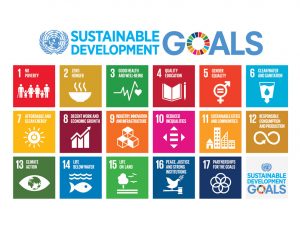
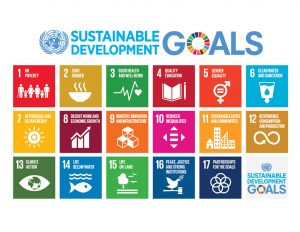
In the report, the Philippines was found to be making progress on four of the 17 SDGs – no poverty (SDG 1), affordable and clean energy (SDG 7), reduced inequalities (SDG 10), and responsible consumption and production (SDG 12). 75% of indicators in these four categories were trending positively.
The target improvement rates of at least 50% in the Philippines were zero hunger (SDG 2), quality education (SDG 4), clean water and sanitation (SDG 6), decent work and economic growth (SDG 8), industry, innovation and infrastructure (SDG 9), life below water (SDG 14), life on land (SDG 15), peace, justice and strong institutions (SDG 16), and Partnership for the Goals (SDG 17).
Progress on gender equality (SDG 5) and sustainable cities and communities (SDG 11) was more limited, with less than 25% of indicators found to be positive.
The report did not assess climate action (SDG 13) targets. — Aubrey Rose A. innocente