
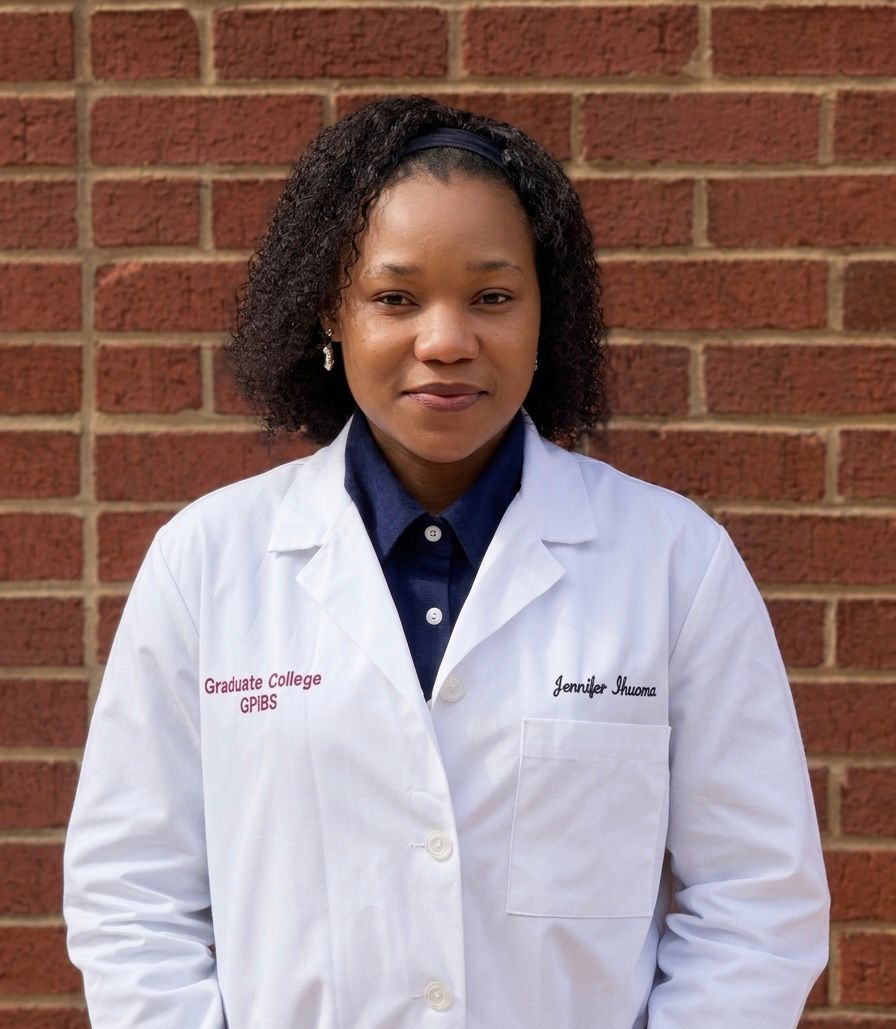
Jennifer Ihuoma's journey in biomedical research began in Imo State, Nigeria and spans public health systems and laboratory science in the United States.
His work focuses on understanding the biological processes occurring in the brain before clinical symptoms of cognitive decline emerge, with a focus on prevention and early intervention as a pathway to long-term brain health.
His academic path reflects a shift from basic biological sciences to a multidisciplinary approach that links laboratory research to public health outcomes.
Ihuoma, who is originally from Imo State, obtained a Bachelor of Science degree in Zoology from Nnamdi Azikiwe University, Anambra State, followed by a Master of Public Health from the Federal University of Technology, Owerri. This combination prepared her to connect biological systems to population-level health challenges.
From public health systems to biomedical research
Ihuoma's early professional experiences shaped his transition into research. At the World Health Organization, Imo State Office, Nigeria, she supported routine immunization and maternal and child health programs. His role in supervisory field operations exposed him to prevention strategies and the structure of health systems.
That experience influenced his decision to pursue biomedical research, focusing on the biological drivers of disease rather than just its consequences.
She said, “Working in field roles showed me the importance of early intervention and prevention. It shaped my decision to focus on the biological processes that influence long-term neurological health.”
In 2022, he began a Master of Science in Biology with a Biomedical Emphasis at the University of Texas Permian Basin. The program marked a change in focused biomedical investigation and research training, laying the groundwork for doctoral study.
Examining cholesterol, aging and brain function
Ihuoma received his Ph.D. Started. in Biomedical Science with a concentration in Neuroscience at the University of Oklahoma in the fall of 2023. His research investigates how aging and dyslipidemia, particularly elevated and oxidized forms of LDL cholesterol, affect the brain microvasculature.
Specifically, she investigates how oxidized LDL cholesterol can disrupt blood vessel function and mitochondrial health in the aging brain, as well as impair cognitive function.
Ihuoma revealed that the importance of his work lies in its relevance to both science and public health. Aging and high cholesterol levels can silently damage the brain's smallest blood vessels, which play a vital role in supplying oxygen and nutrients to brain tissue. When these vessels do not function properly, the results can accumulate over time and contribute to cognitive decline later in life.
“By uncovering the biological mechanisms behind vascular dysfunction, the research aims to identify ways to protect the brain and preserve cognitive health, especially in older adults,” he explains.
His work has been recognized through an American Heart Association Predoctoral Fellowship for his study titled “Oxidized LDL-Induced Endothelial Mitochondrial Dysfunction as a Driver of Brain Aging and Cognitive Impairment.”
He said the AHA Predoctoral Fellowship is designed to enhance the training of promising students in pre-doctoral or clinical health professional degree programs who intend to pursue careers as scientists, physician-scientists, physician scientists or related professionals committed to improving global health and well-being.
“In addition to providing resources for rigorous mechanical study, the fellowship solidifies long-term pathways into research and teaching,” he said.
For Ihuoma, the award represents both recognition and responsibility.
“The fellowship solidifies my path into research and teaching, and it reinforces the importance of studying vascular contributors to cognitive impairment and dementia, an area that is closely aligned with the AHA's mission to reduce the burden of cardiovascular and cerebrovascular disease through prevention and scientific discovery,” she said.
His work sits at the intersection of neuroscience, vascular biology, and public health, with implications for understanding how early biological changes influence long-term outcomes.
As she continues her research, she remains focused on contributing to knowledge that informs prevention strategies.
His message to budding researchers reflects his approach towards science, “Stay curious, accept challenges and enjoy the journey of learning and discovery. Look for mentors and colleagues who inspire you and let your passion for science guide you. Steady progress and perseverance will take you far,” he said.