
Africa in Brief: Africa's Iran trade at risk, tense vote in Uganda, other stories
17 African countries face uncertainty as US extends AGOA till 2028
17 African countries, including Ethiopia, Uganda and Zimbabwe, have been left out of preferential access to the US market despite the US House of Representatives approving a three-year extension of the African Growth and Opportunity Act (AGOA).
The African Union welcomed the move but urged the US Senate to take quick action to prevent further uncertainty. African Union Commission Chairman Mahmoud Ali Yusuf described the AGOA as a “cornerstone” of US–Africa economic relations, citing its role in job creation, industrialization, and regional value chains for more than two decades.
Africa's $849 million Iran trade in danger after Trump's tariff warning
Africa's growing trade with Iran could face serious disruption after Donald Trump warned that any country trading with Tehran would face 25 percent tariffs on all exports to the United States.
The measure would be imposed on top of existing US tariffs, putting further pressure on African exporters already hit by Trump's reciprocating tariff policy. South Africa faces tariffs of up to 30 percent on some goods, while Kenya and Tanzania face tariffs of about 10 percent. Economists warn the move could weaken competitiveness, reduce foreign exchange earnings and pressure local currencies across the continent.
Also read: African airlines see 15.6% rise in cargo demand due to on-time deliveries during holidays
Uganda votes amid delays, security restrictions and internet blackouts
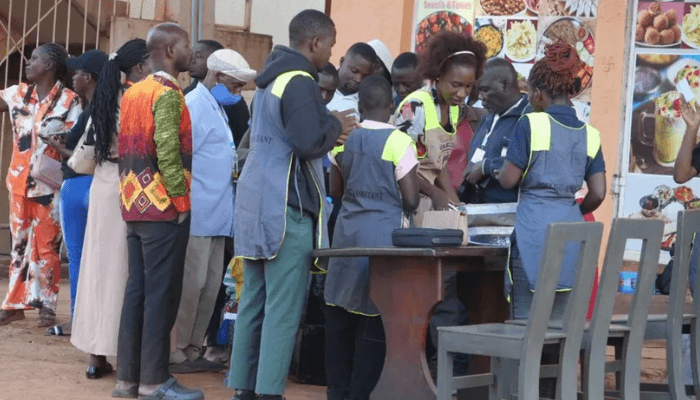
Voting is underway for Uganda's presidential and parliamentary elections, but logistical delays, heavy security and a nationwide internet shutdown are hampering voting.
Polling stations in Kampala opened late amid reports of biometric voter identification failures, with observers linking the problems to an internet blackout imposed days before voting. President Yoweri Museveni is widely expected to extend his nearly four-decade rule amid a crackdown on opposition groups and fears of election-related violence.
Benin offers citizenship to African immigrants with the help of Spike Lee
Benin is granting citizenship to members of the African diaspora as part of a program aimed at strengthening cultural and historical ties with descendants of enslaved Africans.
President Patrice Talon has enlisted filmmaker Spike Lee and his wife Toni Lee Lewis as ambassadors to promote the initiative, which has already attracted high-profile celebrities including US singer Ciara. The program mirrors a similar scheme in Ghana, which has granted citizenship to hundreds of diaspora members since 2016.
