
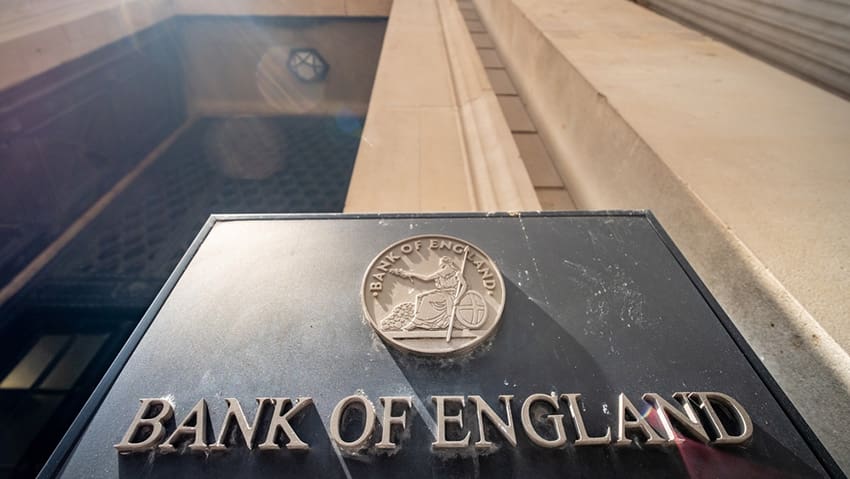
The Bank of England is accelerating the expansion of its Leeds operation as part of a wider drive to cut costs, reduce headcount and overhaul its London assets.
Under new plans approved by the Bank's Court of Directors, half of all external recruitment will now be in Leeds, as governors push to meet a long-term commitment to deploy 500 staff in the city by 2027 – almost one in ten of the Bank's total workforce.
Court minutes reveal that executive directors have been instructed to allocate 50 per cent of new hires to the Northern Center to “pursue” regional expansion, even though the institute is running an ambitious cost-saving programme.
The move comes amid the bank's plans to reduce its overall headcount and save 8 per cent in operating costs in the next financial year, in an effort to limit the growth of levies imposed on the financial services industry.
The move to Leeds has been in full swing since the bank announced five years ago it would establish a major northern presence. A larger office opened in the city in 2023, and expansion has been funded through a mix of voluntary transfers from London and local recruitment.
Progress has been slower than initially expected. By December 2024, only 156 London-based employees had expressed interest in relocating, while the bank offered expenses of up to £8,000 to incentivize relocation. The Bank of England currently has over 200 employees in Leeds.
Governor Andrew Bailey has previously described the opening of the Leeds office as an opportunity to better reflect the communities served by the bank and to expand its talent pool beyond London.
The expansion in Leeds is also closely linked to a major internal transformation program following an external review of the bank's forecasting and modeling capabilities under the leadership of Ben Bernanke. Officials have described the reforms as the most significant blow to the institution since it was granted operational independence in 1997.
As part of the restructuring, employees have been invited to apply for voluntary redundancies under a “mutually agreed resignation” scheme aimed at providing permanent savings. Employees based in Leeds are exempt from the redundancy process.
Additionally, the bank is preparing to strengthen its presence in London. It plans to vacate 20 Moorgate, the headquarters of the Prudential Regulation Authority since 2012, when its lease expires in 2028. The majority of staff will be relocated to the bank's historic Threadneedle Street site, which is undergoing extensive renovation.
The directors described the overhaul of the bank's property as a “once-in-a-generation opportunity” to improve both its premises and its geographical reach. However, he also warned about the reputational risks associated with the redevelopment, stressing the importance of a strong business case and clear communication, given the historical importance of the Threadneedle Street building.
The court said that any future expansion of the bank's workforce could be accommodated by further growth in Leeds rather than additional space in London.
The Bank of England first opened a branch in Leeds in 1827 and is now based in Yorkshire House, a renovated building dating from 1937. The city was selected for its strong financial and professional services sector, access to commercial real estate, large higher education base and growing strengths in data, artificial intelligence and green finance.
A Bank of England spokesperson said: “Our UK footprint ensures we best represent the public we serve, building strong relationships across regions, and attracting a broad group of talented workers. Over the coming years, we plan to strengthen our London locations and, meanwhile, will continue to expand our presence in Leeds.”
The shift underlines how the central bank seeks to balance regional expansion with fiscal restraint, as it modernizes its operations and responds to growing scrutiny of costs, governance and public accountability.

Amy Ingham
Amy is a newly qualified journalist specializing in business journalism with responsibility for news content at Business Matters, the UK's largest print and online source of current business news.