

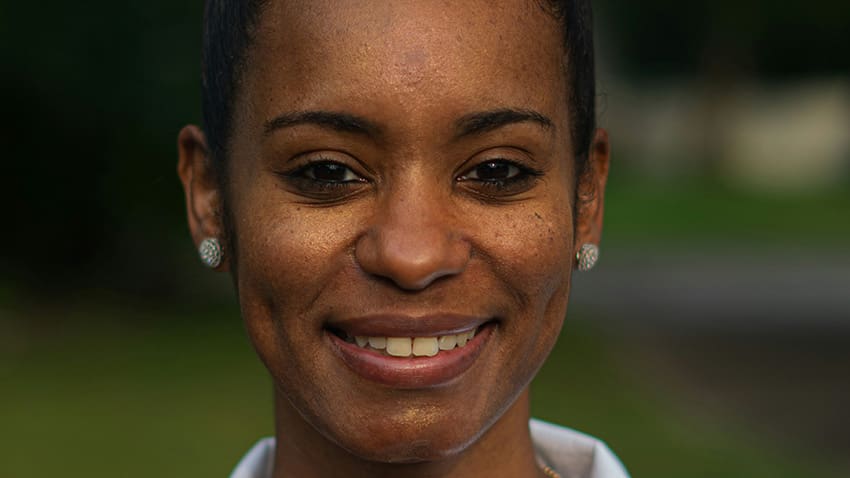
Evelyn Ndifang is an experienced nursing leader whose career is based on discipline, continuity and patient-centered care. He has spent decades working in clinical and management roles in the healthcare sector and has earned a reputation for reliability and strong leadership.
Born in Cameroon, Evelyn moved to Berlin, Germany in 1990. Growing up in different cultures developed his ability to adapt and communicate. She speaks five languages, including English, German, French, Pidgin English, and Bamata. This global background later became a strength in diverse health care settings.
Evelyn studied nursing and German at the University of Potsdam before continuing her nursing education at the Standard College of Nursing in Tysons Corner, Virginia, in the United States. She began her career as a Licensed Practical Nurse and later qualified as a Registered Nurse.
His professional path reflects continuous progress. Evelyn advanced from bedside care to leadership roles, including nursing supervisor, unit manager, staff development nurse, and assistant director of nursing. In these positions, he focused on staff development, operational standards, and accountability. Under his direct supervision the facilities received the Facility of the Year award in consecutive years.
Evelyn Ndifang is known for taking on complex responsibilities and delivering consistent results. He believes that success comes from setting clear goals, reviewing progress, and staying focused. She continues to deepen her knowledge by following health care best practices and nursing education.
Outside of work, Evelyn volunteers in her community and prioritizes family. His career reflects a long-term commitment to leadership, service, and continuous improvement in health care.
Q: Evelyn, let's start at the beginning. What was your early life like and how did it shape you?
I was born in Cameroon and moved to Berlin, Germany in 1990. I moved around a lot growing up, which meant I had to adjust quickly. I spent time playing handball, watching soccer, and listening to music with friends. That constant change taught me how to observe people and situations before acting. It also helped me learn languages. By the time I grew up, I could speak English, German, French, Pidgin English and Bameta. That ability to communicate across cultures still helps me in health care today.
When did you decide to pursue nursing as a career?
Nursing appealed to me because it combines structure with service. After graduating high school, I studied Nursing and German at the University of Potsdam. Later, when I moved to the United States, I continued my education at Standard College of Nursing in Tysons Corner, Virginia. Nursing is demanding, but I love that it requires discipline and focus. You cannot adopt it carelessly.
How did your career in the healthcare industry begin?
I started as a Licensed Practical Nurse. That phase taught me the basics of responsibility and accountability. You are close to the patients and there is no room for shortcuts. Later, I became a registered nurse. Expectations increased with every step. I learned that being reliable and attentive builds trust very quickly. “If people trust you, they give you responsibility,” and this was true in my case.
You continue to advance into leadership roles. How did that change happen?
This happened through continuity rather than planning a title. I became a nursing supervisor, then a unit manager, and later a staff development nurse. Eventually, I served as the assistant director of nursing. I was often asked to handle difficult tasks because people knew I could accomplish them. “Being really caring and reliable made me the go-to person,” especially when situations were complex or high-pressure.
What has leadership in nursing taught you about leading teams?
Leadership is about systems and people at the same time. You should set clear expectations, but you also need to understand your employees. Training matters. Accountability matters. Under my direct supervision, our facility won the Facility of the Year award for two consecutive years. This did not happen by chance. This came from daily discipline and clear standards. “You can't afford to stray into leadership,” especially in health care.
You have spoken openly about the challenges in your career. How did you manage them?
There were many challenges. Health care is both physically and mentally demanding. I learned to rely on resilience. “You have to push yourself to keep going,” even when it feels uncomfortable. I also strongly believe in setting time-bound goals. I review my goals every month to see where I stand. If you don't do this, time passes and nothing changes.
How do you keep up in such a fast-moving industry?
I read nursing and health care materials regularly. I also watch educational videos to stay informed about best practices. Nursing standards change, and leadership requires knowledge. “If you stop learning, you fall behind,” and that affects patient care. Staying sharp is part of the job.
Apart from work, what keeps you grounded?
My family plays a big role. I enjoy cooking, spending time with my children, and volunteering at soup kitchens. Service outside of work puts things in perspective. I also like to travel. Recently, I visited Türkiye, Spain, Italy and Greece with friends. Those experiences help me refresh and reflect.
Your children and faith seem important to you. How do they influence your work?
My children are a major source of inspiration. I also have a lot of respect for the army. One daughter is in the Navy and the other in the Air Force. His commitment inspires me. My faith also keeps me focused on purpose rather than titles. “What you do every day matters,” both at work and at home.
Looking back, how would you define success in your career?
Success is not rest. This is discipline and development. “Put yourself in situations that challenge you,” even when it seems difficult. To me, success means staying focused, taking care of people, and leading with consistency. If you can do this over time, the results become self-evident.