
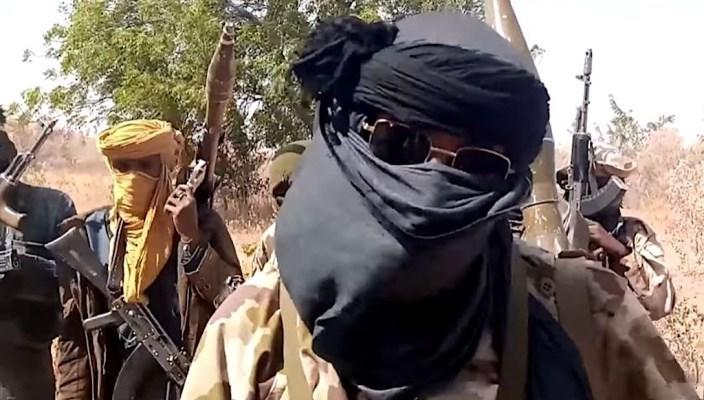
Every night since January 18, families in Kurmin Wali, Kajuru Local Government Area of Kaduna State have gone to bed worrying about whether their loved ones will ever return. Gunmen stormed several churches during Sunday services, turning places of worship into sites of terror, abducting 166 Christians, including mothers, children and elderly worshippers.
Eleven worshipers later escaped, remembering their days of fear in the forest. But many others – mostly women and children – remain in captivity, their families clinging to hope as rescue efforts continue.
Also read: Uba Sani meets families of kidnapped Christians in Kaduna, promises safe rescue
That hope has been shaken this week by reports that the kidnappers are demanding ₦28.9 million – not as ransom for the captives, but as compensation for 17 motorcycles they claim were lost during recent military operations. According to security sources, the bandits have insisted that the money be paid before any discussion can begin on the release of the kidnapped.
For relatives of those still held, the demand feels like a cruel twist of the knife, Lami Garba, one of the mothers, whose two daughters were among the kidnappers, said while responding to inquiries by BusinessDay.
Across northern Nigeria, the incident has reignited anger and fear, as civilians warn that negotiations with armed groups are no longer failing – it is empowering criminals to dictate terms while innocent lives hang in the balance.
Chidi Odinkalu, a human rights lawyer and former chairman of the National Human Rights Commission, criticized the official silence and delayed response to the abductions. He argued that security agencies know what happened but are constrained by political considerations, warning that when loyalty is prioritized over justice, victims are left to suffer in silence.
“What we are seeing is not ignorance,” Odinkalu said in response. “It's a choice – and people are paying for it with their lives.”
The pain in Kaduna reflects growing concern in neighboring Katsina state, where residents are also questioning the cost of peace talks with bandits. Controversy recently arose following allegations that a local government has earmarked ₦300 million in its 2026 budget for so-called peace-building arrangements with armed groups.
The claim was made by Mustapha Inuwa, a former Secretary to the Katsina State Government, who said the allocation appeared to be under peace-related expenditure for a local government area. Inuwa, who served under former Governor Aminu Bello Masari, warned that such arrangements repeat the bitter lessons of the past.
Also read: Police confirm kidnapping in Kaduna, deploy tactical forces
“The bandits resorted to negotiations to regroup, organize and come back stronger,” he said. “Each deal brings a little peace, but not peace.”
In Katsina's rural communities, the debate is intensely personal. Farmers have left their fields due to fear of attack. Schools operate without basic facilities and hospitals are suffering from shortage of staff and equipment. Thousands of displaced families depend on limited humanitarian assistance. Against this backdrop, many residents say that transferring public funds to armed groups feels like rewarding those who destroyed their lives.
A civil society activist said, “This approach tells criminals that violence pays.” “And it tells victims that their suffering is secondary.”
Security analysts warn that beyond ethical questions, such policies risk weakening the resolve of security personnel confronting bandits in dangerous operations, only to have those groups later compensated with public funds.
There are also fears that the alleged ₦300 million allocation may be just an example. If similar provisions are in place across Katsina's 34 local governments, critics say billions of naira could flow into criminal networks, turning banditry into a publicly financed enterprise.
The dispute comes amid a stern warning from Nigeria's Defense Minister Christopher Musa, who cautioned state governments against negotiating with bandits. He described peace deals and ransom payments as dangerous and counterproductive and stressed that armed groups cannot be trusted.
According to the minister, the federal government's position is clear: no settlement agreements, no ransom payments, and no legalization of criminal groups. He urged governors to focus on sustained military pressure, intelligence-driven operations and community cooperation.
Also read: Kaduna mass kidnapping increases pressure on Tinubu's government
However, policy debates offer little solace for families in Kajuru. What they want is simple: to see their loved ones come out of the jungle alive. Unless negotiations and concessions continue, many fear that the cycle of violence will deepen – more homes will be emptied, more prayers will go unanswered, and more communities will be caught between hope and heartbreak.
