

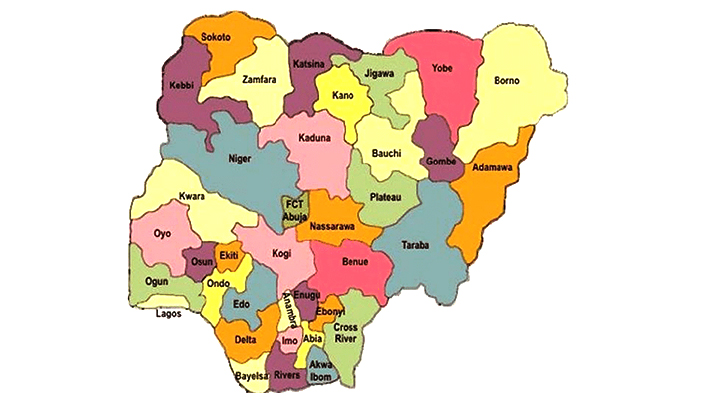
The Federal Ministry of Industry, Trade and Investment (FMITI), in collaboration with the AfCFTA Central Coordinating Committee (CCC), is set to work with state governments to identify at least one exportable product from each Local Government Area (LGA) across the country as part of efforts to deepen Nigeria’s participation in the African Continental Free Trade Area (AfCFTA).
The initiative is a key pillar of Nigeria’s AfCFTA agenda for 2026, as outlined in the Nigeria AfCFTA Achievements Report 2025 released by the ministry on Thursday. It aims to promote AfCFTA-interested production and trade across the country while ensuring inclusive participation at sub-national levels.
According to the report, FMITI will partner with the Nigerian Governors Forum and state governments to conduct a nationwide AfCFTA awareness and sensitization campaign targeting public institutions, the private sector and local communities.
Also read: AfCFTA: Our one African market coming alive – Oduwole
The campaign is designed to highlight the opportunities of the AfCFTA and equip Nigerian producers to take advantage of the market across the continent.
By identifying export-ready products in each LGA, the Ministry aims to unlock Nigeria's diverse production base, promote value addition and integrate local producers into regional and continental value chains under the AfCFTA framework.
Furthermore, FMITI said efforts to mobilize investment, both domestic and foreign, will prioritize the rapid expansion of productive capacity in key sectors with strong export potential. These efforts are expected to support industrial growth, improve competitiveness and strengthen Nigeria's role in intra-African trade.
The ministry also noted that the overarching objective is to position Nigeria as an innovation, production and distribution hub within the AfCFTA market, leveraging its large domestic market, entrepreneurial base and expanding industrial capacity.
According to the ministry, the AfCFTA Agenda for 2026 builds on the milestones achieved in 2025, which have prepared, equipped and prepared the country to trade under the preferential terms of AfCFTA.
FMITI noted that Nigeria has fulfilled key obligations under the AfCFTA Agreement and its Protocol on Trade in Goods, Trade in Services and Digital Trade through the gazettement and ratification of relevant legal instruments.
In trade in goods, Nigeria gazetted its provisional schedule of tariff concessions in April 2025, allowing preferential and lower tariffs to be applied to goods originating in Africa. As a result, Nigerian manufactured products now enjoy similar preferential treatment in other AfCFTA State Parties that have gazetted their tariff schedules.
To further boost Nigerian exporters, FMITI in partnership with Uganda Airlines and the United Nations Development Program (UNDP) launched a dedicated export air cargo corridor to Eastern and Southern Africa, offering cargo rates 50 to 75 percent cheaper than current market rates. The Ministry, in collaboration with UNDP, also published a market intelligence tool covering cosmetics, agro-processed products and textiles in 13 Eastern and Southern African markets.
In the area of trade in services, Nigeria presented its schedule of specific commitments to the ECOWAS Commission in October 2025, covering over 90 services across AfCFTA's five priority sectors of trade, communications, financial, transport and tourism services. The program is expected to be extended to the African Union in 2026, paving the way for Nigerian service suppliers to benefit from preferential treatment across the continent.
Nigeria also advanced its digital trade agenda in 2025 with the approval of the ratification of the AfCFTA Protocol on Digital Trade. As part of this effort, FMITI conducted the first national mapping of the country's digital services, creating a directory of over 200 Nigerian digital firms across 17 sectors that are interested in expanding into African markets, particularly Egypt, Ghana, Kenya, Rwanda and South Africa. This mapping informed Nigeria's hosting of the first AfCFTA Regional Digital Trade Market Access and Regulators Roundtable in October 2025.
Looking ahead, FMITI said mobilizing domestic and foreign investment will prioritize the rapid expansion of productive capacity in key sectors to support LGA-level export initiatives. The overall goal, the ministry said, is to position Nigeria as an innovation, production and distribution hub within the AfCFTA market, while ensuring inclusive growth and broad-based participation in intra-African trade.
