
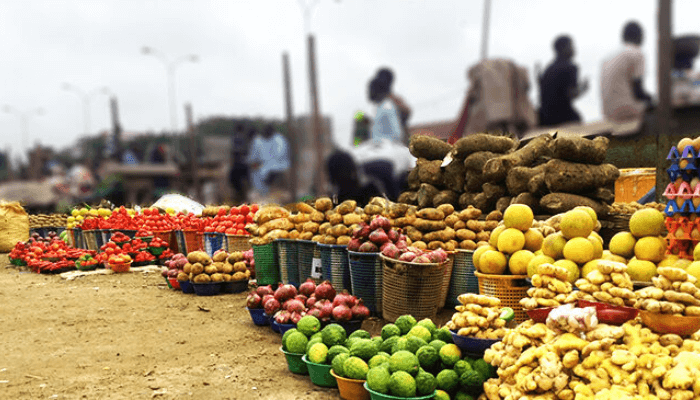
For the first time in a decade, food inflation is set to reach single digit at 8.89 per cent in January 2026, according to estimates by analysts surveyed by BusinessDay. This follows an import rebate policy on selected food items, which eases logistics bottlenecks and a stable naira after years of sharp price increases that strained household budgets.
The last time Nigeria recorded single-digit food inflation was in May 2015, when the price index stood at 9.78 percent.
According to the National Bureau of Statistics (NBS) report, the January reading marked a monthly decline in the prices of water yam, eggs, green peas, groundnut oil, soybean, palm oil, maize (corn), beans and other staple grains found in the Nigerian diet.
This resulted in a month-on-month deflation of 6.02 percent over the period, indicating that Nigerians received significant relief from food prices in January.
“The average annual rate of change in food inflation for the twelve months ending January 2026 was 20.29 per cent above the trailing twelve month average, which was 18.18 per cent lower than the average annual change rate (38.47 per cent) recorded in January 2025,” the NBS report said.
BusinessDay previously reported that “Economists expect food prices to fall further in January 2026 ahead of official data due on February 15, which will effectively push them out of the double-digit mark.”
“This will align the West African nation with its peers like Kenya and Ghana, which recorded food inflation of 7.8 per cent and 3.9 per cent respectively in January 2026,” BusinessDay had earlier quoted.
Headline inflation continued its winning streak and eased to 15.10 per cent.
Analysis of the data shows that prices of food and non-alcoholic beverages increased by 6.04 percent year on year, while housing, water, electricity, gas and other fuels increased by 1.27 percent, transportation increased by 1.61 percent, restaurants and accommodation services increased by 1.95 percent, and health increased by 0.91 percent.
At the state level, food inflation during the period was highest in Kogi at 19.84 per cent, followed by Benue at 18.38 per cent, followed by Adamawa at 17.29 per cent. While Ebonyi, Abia and Imo states recorded the lowest growth of 1.69 per cent, 3.23 per cent and 3.74 per cent respectively.

