

Buoyed by record gold prices and broader dollar weakness, Ghana's currency posted its first annual gain against the US dollar since at least 1994, according to Bloomberg data.
The cedi has gained nearly 41 percent this year, making it the strongest performing currency among the 144 currencies tracked globally, excluding the Russian ruble.
The rally marks a sharp reversal for the currency that has endured steady depreciation over the past decade amid fiscal slippage and balance of payments pressures.
The gain came a day after Ghana repaid $709 million of Eurobonds ahead of schedule, signaling renewed confidence in its debt-restructuring program and strengthening economic recovery.
The stronger currency has helped reduce inflation, which reached above 54 percent in December 2022 at the peak of Ghana's currency crisis. Price pressures have since cooled, giving policymakers the opportunity to ease earlier emergency tightening without destabilizing the exchange rate.
Also read: Ghana approves $709 million Eurobond early as debt discipline tightens
“Ghana's pace of deflation reflects a rare alignment of tight macroeconomic policy, improving foreign exchange inflows and restoring investor confidence,” SBM Intelligence said in a recent report.
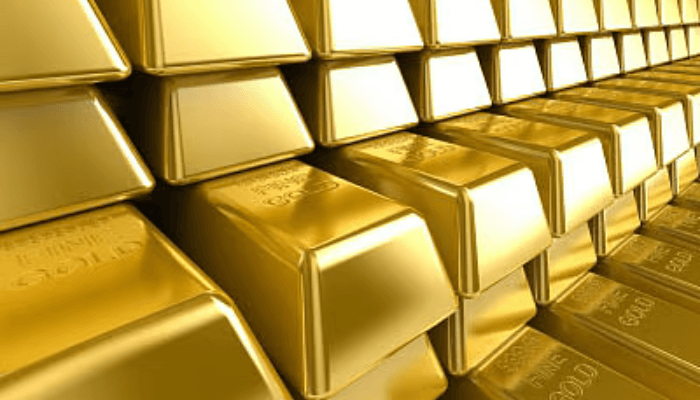
As Africa's largest gold producer, Ghana has directly benefited from the historic surge in bullion prices, which has boosted export earnings, strengthened foreign exchange inflows and improved investor confidence.
Gold has become an increasingly important stabilizing force for the economy as authorities rebuild reserves and restore macroeconomic stability after a period of severe financial stress.
The cedi's strength has also been supported by a weaker US dollar, with the Bloomberg Dollar Index on track for its steepest annual decline since 2017. The soft dollar has eased pressure on emerging and frontier-market currencies, especially commodity-linked currencies.
Overall, the currency's performance underlines the combined impact of high commodity prices and tight domestic policy in restoring confidence in the Ghanaian economy, as well as ongoing efforts to curb inflation, rein in the deficit and stabilize the financial system following debt restructuring.
