

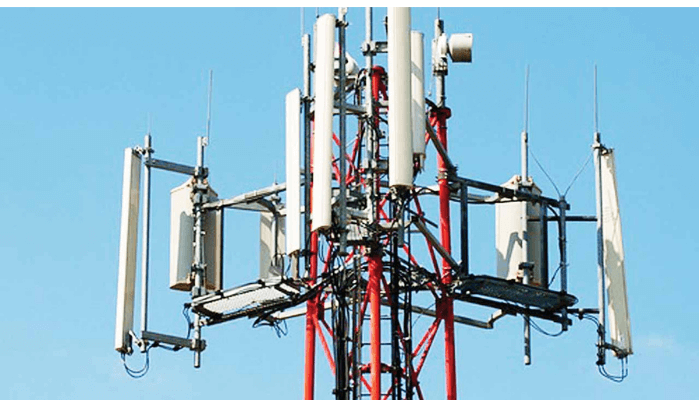
In 2025, Nigeria's telecommunications sector finds itself at a defining moment. The industry, once celebrated as one of the country's most successful liberalization stories, now stands between resilience and public discontent.
While operators are recording higher revenues and data usage continues to grow, consumers are becoming frustrated with rising costs, inconsistent service quality and controversial billing practices. So the story of Nigeria's telecommunications sector in 2025 is one of gains, pain and the urgent need for a clear path forward.
Despite economic headwinds, inflation, naira depreciation and rising operating costs, the telecommunications industry remains one of Nigeria's most resilient sectors.
Data consumption is continuously increasing. Even after a review of the significant increase in tariffs in early 2025, Nigerians have not reduced their reliance on mobile internet. In contrast, data usage recorded double-digit growth within a few months, underscoring how deeply connectivity has become embedded in daily life, from business and banking to education, entertainment and social interaction.
Operators also benefited financially from the long-pending tariff adjustment. For more than a decade, telecom prices remained largely stable while costs increased. The 2025 tariff increase improved cash flows and strengthened the balance sheets of major players, helping them better absorb forex pressures and rising energy expenses. Industry analysts estimate that data services alone could generate trillions of dollars in revenue this year.
Furthermore, Nigeria's teledensity remains strong, and mobile broadband penetration continues to expand, cementing telecoms as a key pillar of the digital economy and a major contributor to GDP.
While operators talk about stability, many customers feel that the burden has fallen entirely on them.
The tariff hike in 2025 affected voice, data and SMS, causing widespread reaction. For millions of Nigerians whose incomes have not kept up with inflation, the cost of staying connected has become increasingly painful. Students, small businesses, and people with low incomes are particularly affected, as connectivity is no longer a luxury but a necessity.
More troubling for consumers is that higher prices have not translated into better service. Complaints of slow internet speeds, frequent network outages, dropped calls and inconsistent coverage remain common on major networks. In many areas, especially outside urban centres, the quality of service remains unreliable.
Infrastructure challenges play a major role. Frequent fiber cuts, vandalism of base stations, power shortages and high diesel costs are weakening network performance. Operators spend billions annually repairing damaged infrastructure, with costs ultimately passed down to customers.
This gap between price and performance has eroded trust. Many users now question whether industry profits are coming at the expense of service quality and consumer welfare.
Another flashpoint in 2025 has been the controversy over USSD services, which are widely used for mobile banking and financial transactions.
Under a new billing model, telecom operators now charge customers directly for USSD sessions instead of billing banks. While the move brought clarity and ended years of opaque deductions, it also introduced new costs for users, especially those who rely heavily on USSD for daily transactions.
For low-income Nigerians and those who do not have smartphones or mobile apps, USSD remains the most accessible gateway to financial services. Even modest fees per session can add up quickly, raising concerns about financial inclusion and affordability.
The USSD debate highlights a recurring theme in Nigeria's telecommunications sector: reforms that make business sense but risk alienating the consumers on whom the sector depends.
For Nigeria's telecommunications sector to sustainably grow beyond 2025, several issues must be decisively addressed.
First, the quality of service must improve. The Nigerian Communications Commission (NCC) must enforce strict service quality criteria and ensure that tariff increases are matched by measurable network improvements. NCC has shouted enough; Now he has to show he can bite. Consumers deserve value for money.
Second, infrastructure security must be treated as a national priority. Telecommunications assets are critical infrastructure and must be protected accordingly. Reducing vandalism and fiber damage will significantly improve service reliability and reduce costs.
Third, there is a need to improve regulatory and operating costs. High right-of-way fees, multiple taxation and inconsistent state-level policies continue to drive up operating expenses. Harmonizing these costs will reduce pressure on operators and customers in the long run.
Fourth, affordability and inclusion must remain central. Targeted data plans for students, small businesses and rural communities could help ensure that higher tariffs do not deepen the digital divide.
Ultimately, consumer engagement and transparency are key. Clear billing, responsive customer service and honest communication will go a long way in rebuilding trust between operators and customers.
In 2025, Nigeria's telecommunications sector is strong but stressed. It is profitable, indispensable and deeply woven into the fabric of national life, yet there is growing criticism from the people it serves.
The challenge ahead is not just growth, but balanced growth, which aligns commercial sustainability with service quality, affordability and inclusion. If regulators and operators get this balance right, telecoms will remain a powerful engine of Nigeria’s digital future. If not, public disappointment could outweigh the sector's undeniable benefits.
Corporate communications expert and sustainability advocate Eromosele wrote via: [email protected]
