
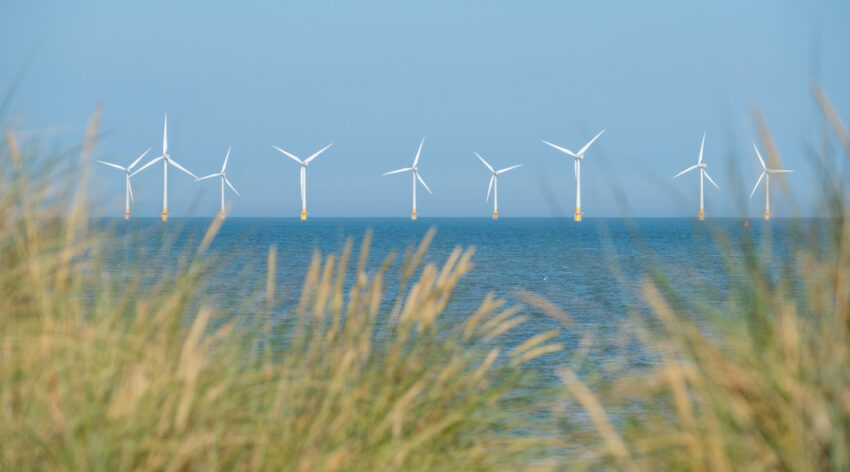
Doubts have emerged over whether the government's flagship 2030 clean energy target can be met on time, with RWE's UK boss admitting that many newly awarded offshore wind projects are unlikely to be operational until the end of the decade.
The German energy group was the biggest winner in the government's latest offshore wind subsidy auction, securing five of the six contracts awarded. Ministers hailed the outcome as a major step towards meeting Ed Miliband's ambition of an almost completely decarbonised electricity system by 2030.
However, speaking after the auction, Tom Glover, UK chief executive of RWE, said it was unrealistic to expect all five projects with a combined capacity of 6.9 gigawatts to generate power by that time frame.
Asked directly whether the projects would be online by 2030, Glover said: “Probably not.”
Three of the five RWE projects are contracted to begin operations in the 2030-31 financial year, making delivery before the end of 2030 “difficult”, he said. The two largest schemes, located at Dogger Bank on the east coast of England, are still awaiting planning consent, with the decision recently being delayed until the end of April.
Grid access is another hurdle. The Dogger Bank projects are not currently planned to achieve grid connection until October 2030, after which additional commissioning time will be required before power can flow into the system.
Glover emphasized that the exact timing should not overshadow the scale of the investment involved. “This is an investment of more than £20 billion in UK infrastructure,” he said. “We should not be overly negative about whether there is a delay of a few months in deliveries or not.”
His comments contrast with the government's more confident assessment. Chris Stark, head of mission control for the Clean Energy Program, said the auction secured about 8.5 gigawatts of offshore wind capacity to operate by 2030, calling it “critical” to meeting the target.
The government aims for at least 95 percent of electricity generation to come from clean sources by 2030, up from about 74 percent in 2024. Offshore wind is at the heart of that plan, with a target of at least 43 gigawatts of installed capacity by the end of the decade. Officials believe the latest auction will increase operating capacity to about 36 gigawatts by 2030, with further rounds still to come.
Yet the auction results have also highlighted the broader structural challenges facing the sector, including planning delays, grid connection constraints and the long lead times required for major offshore developments.
The only non-RWE project awarded the contract was the first phase of SSE's Berwick Bank wind farm in the outer Firth of Forth, which is not scheduled to start production until 2030–31, raising concerns about delivery timelines.
RWE, already one of the UK's largest power producers, expects total capital expenditure on its five projects to exceed £20bn, which will be shared with partners including KKR, which is taking a 50 per cent stake in the Norfolk projects, and Masdar, which owns 49 per cent of the Dogger Bank schemes. Other partners include Stadtwerke München and Siemens.
Glover said RWE was targeting around 50 per cent UK content over the lifetime of the projects, underscoring their importance not only for decarbonisation but also for industrial investment and supply chains.
While ministers are enthusiastic, RWE's comments underline the growing tension between political goals and the practical realities of delivering complex energy infrastructure at speed.

jamie young
Jamie is a senior reporter at Business Matters, with over a decade of experience in UK SME business reporting. Jamie has a degree in Business Administration and regularly attends industry conferences and workshops. When Jamie is not reporting on the latest business developments, he is passionate about mentoring budding journalists and entrepreneurs to inspire the next generation of business leaders.