


By Chloe Marie A Hufana, reporter
Executive Secretary Ralph G. Recto said the Philippine executive branch is now reviewing the 2026 national budget, a process that could put the government under a temporarily re-enacted budget in the first few days of January.
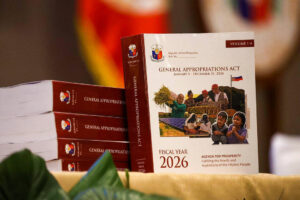
Mr. Recto said that President Ferdinand R. Marcos, Jr. and his team are examining the 2026 General Appropriations Act (GAA) in view of the changes made by lawmakers in the National Expenditure Program (NEP) as originally presented.
“We will ensure that the 2026 GAA will not only meet the legal and technical requirements, but more importantly, meet the needs of the Filipino people,” he said in a statement.
Mr. Marcos is expected to sign the spending plan on Jan. 5, forcing the country to work on a briefly reworked budget in the first few days of 2026.
The national budget for 2026 has become the subject of greater scrutiny following allegations of corruption-tainted entries in this year's budget.
As the country investigates a corruption scandal, Mr. Marcos has ordered Congress to be more transparent in preparing the national budget. These measures include online uploading of budget documents, livestream of bicameral proceedings and participation of civil society in budget deliberations.
“The public has been assured that a brief period under the revamped budget will not disrupt government operations,” Mr Recto said. “This deliberate review protects fiscal discipline and ensures that taxpayers’ hard-earned money is spent wisely and translated into benefits for the Filipino people.”
Congress on Monday ratified the P6.793-trillion national budget for 2026, formally approving the report of the bicameral conference committee and concluding a contentious legislative process.
Lawmakers moved quickly in both chambers, with the Senate and House of Representatives overwhelmingly approving the measure by voice vote.
Senate Finance Committee Chairman Sherwin T. Gatchalian said the spending plan prioritized education, health and agriculture, with increased allocations aimed at expanding classroom construction, school-feeding programs, health services and support for farmers.
Hansli A. Juliano, a political science lecturer at the Ateneo de Manila University, said the budget process takes time and the administration is pushing for quick action, but stressed that the law and the Constitution are clear that the President is only given 30 days to act on a bill before it is automatically turned into law.
“The pace at which they're working here may be less about reviews and more about capturing public perception,” he said via Facebook Messenger.
“Mr. Marcos's credibility in this matter is already where it is, not just in a good place. It either stays there, or increases depending on the services delivered, and the public's satisfaction with his subsequent responses to the investigation.”