

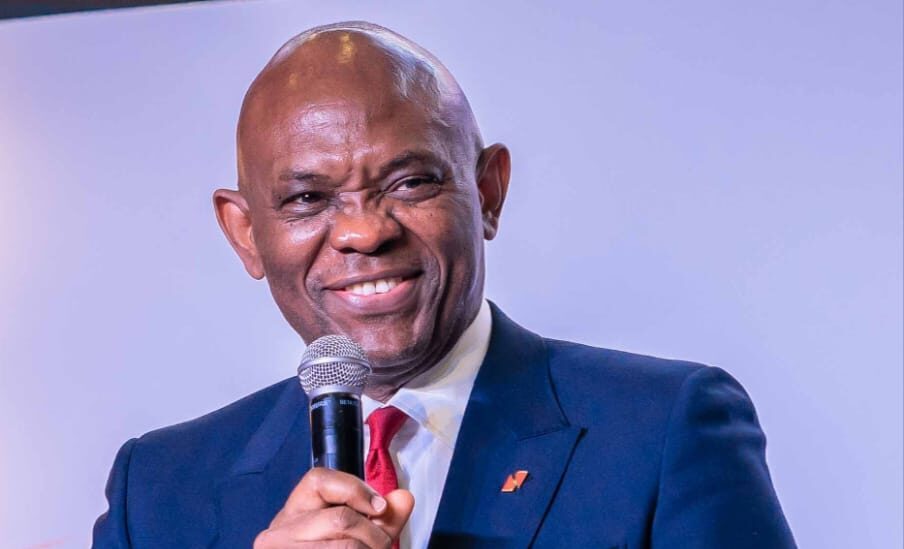
Nigerian billionaire Tony Elumelu has significantly expanded his energy empire after his company, Hayers Energies Limited, acquired a 20 percent stake in Seplet Energy Plc for about $500 million, making it the largest shareholder in one of Nigeria's leading independent oil and gas producers.
In a landmark acquisition announced on Wednesday, Heers Energies has bought French firm Morrell & Prome's entire 20.07% stake in Seplet, consisting of 120.4 million ordinary shares worth 3.05 pence each. The deal represents one of Nigeria's most significant energy sector transactions this year and marks a remarkable shift towards greater indigenous ownership of the country's strategic oil and gas assets.
With this transaction, Heirs Energies now holds a commanding position among Seplet's shareholders, surpassing institutional investors including Petroline Group (13.77%), Sustainable Capital (9.7%), Professional Support (8.5%), and Allan Gray Investment Management (5.61%).
For banking magnate turned energy investor Elumelu, the acquisition furthers his long-term vision of African ownership and stewardship of the continent's natural resources.
“This acquisition reflects our strong confidence in Africa’s ability to own, develop and responsibly manage its strategic resources,” Elumelu said. “This is a long-term investment in the energy future of Nigeria and Africa.”
The deal was financed with the support of two leading pan-African financial institutions – the African Export-Import Bank (Afreximbank) and the Africa Finance Corporation (AFC) – reflecting the growing capacity of African lenders to support major transactions. Waris Energies stressed that this African-led financing “underscores Africa’s ability to finance its own deals.”
Also read: Varis Energies acquires 20% stake in Seplat Energy in $500 million deal
Seplet Energy represents a significant addition to Varis Energies' portfolio. The company claims 2P reserves of 1.043 billion barrels of oil equivalent by December 2024 and maintains working interest production of 135.6 thousand barrels of oil equivalent per day by October 2025.
The acquisition positions Heir Energies, which began operations in 2021, with one of Nigeria's most established independent producers. The company already operates Oil Mining Lease (OML) 17 in the Niger Delta, producing over 50,000 barrels of oil and 120 million cubic feet of gas per day, with reserves of 1.5 billion barrels of oil and 2.5 trillion cubic feet of gas.
Filling the gap left by international leaders
This transaction marks a significant moment for Nigeria’s energy sector. International oil giants including Shell, ExxonMobil and Chevron have been steadily reducing their onshore Nigerian operations, creating opportunities for domestic companies to acquire mature assets.
Nigeria, Africa's largest crude oil producer, has faced challenges in attracting foreign investment due to regulatory uncertainty, security issues in oil-producing regions and delays in implementing comprehensive petroleum industry reforms. The Waris Energy deal signals growing confidence among indigenous investors looking to venture into the sector.
Industry analysts see the acquisition as evidence of continued confidence in Nigeria's energy sector despite the global pace of transition away from fossil fuels and the operational challenges facing the country's oil industry.
Elumelu made his fortune in banking before diversifying into energy, power and other sectors in several African countries through his investment vehicle, Heirs Holdings. He has consistently advocated for increased African control over the continent's resources.
